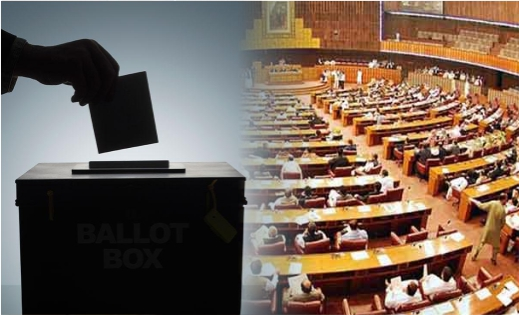
As elections approach, the government has unveiled a comprehensive set of policy reforms aimed at strengthening the economy, improving public services, and boosting investor confidence. These reforms cover areas such as taxation, energy, social welfare, and industrial development, reflecting a strategic effort to address long-standing economic challenges while appealing to voters.
Taxation and Regulatory Reforms
A key focus of the new policy package is simplifying the tax system and reducing regulatory burdens on businesses. The government plans to streamline tax filing procedures, enhance transparency, and increase enforcement to broaden the tax base. For businesses, the reforms aim to reduce bureaucratic hurdles and encourage investment, making it easier for small and large enterprises to operate efficiently.
Energy Sector Overhaul
Energy reforms are another cornerstone of the government’s plan. Measures include improving electricity distribution, restructuring tariffs, and encouraging private sector participation in energy generation. By addressing inefficiencies and reducing fiscal strain, these changes aim to provide more reliable power at lower costs, benefiting both households and industries.
Social Welfare and Public Services
The government is also focusing on pension and social welfare reforms. Digitizing pension systems and ensuring transparency in public benefits are central to these changes. The reforms are intended to enhance efficiency, prevent misuse, and ensure long-term sustainability of public programs.
Boosting Industrial and Export Growth
To drive economic expansion, the government is emphasizing export-led growth and private sector development. Policies include incentives for export-oriented industries, easing restrictions on trade, and supporting manufacturing initiatives. This approach is designed to create jobs, increase competitiveness, and diversify the country’s economic base.
Potential Impact on Citizens and Businesses
For households, these reforms could mean more efficient public services, stabilized energy costs, and simplified tax compliance. Businesses may benefit from a friendlier regulatory environment, access to export incentives, and a more predictable energy market. Overall, the measures aim to improve economic stability and foster sustainable growth ahead of the elections.
Challenges Ahead
Implementing such comprehensive reforms is not without risks. Success will depend on effective governance, coordination among agencies, and overcoming resistance from vested interests. Particularly in sectors like energy and taxation, careful execution is crucial to prevent disruptions or unintended consequences.
Conclusion
The government’s policy reforms represent a strategic effort to address economic challenges while appealing to voters ahead of elections. By focusing on taxation, energy, social welfare, and industrial growth, the administration aims to create a more stable, efficient, and growth-oriented economy. The effectiveness of these reforms will ultimately be measured by how well they are implemented and whether they deliver tangible benefits to citizens and businesses alike.
You can give me another title, and I’ll produce a full article in the same style.
About the Author