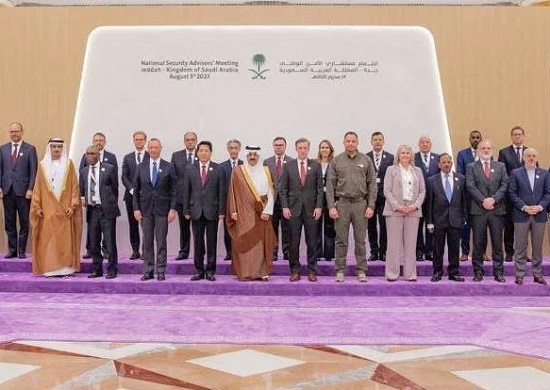
In a time of heightened geopolitical tensions and rapidly evolving security challenges, international leaders from major countries have convened to discuss pressing global security issues. The summit aims to foster cooperation, address emerging threats, and develop coordinated strategies to maintain peace and stability worldwide.
Focus on Geopolitical Tensions
A key topic of discussion is the rising tension in various regions, including conflicts, border disputes, and strategic rivalries. Leaders are emphasizing the importance of dialogue and diplomacy to prevent escalation and ensure regional stability. By sharing intelligence, coordinating policies, and engaging in joint initiatives, participating nations aim to reduce the risk of conflict.
Counterterrorism and Cybersecurity
Global security discussions are increasingly centered on non-traditional threats such as terrorism and cyberattacks. Delegates are reviewing strategies to combat extremist networks, prevent radicalization, and enhance cybersecurity infrastructure. International collaboration on intelligence sharing and rapid response mechanisms is seen as critical to mitigating these evolving threats.
Nuclear Proliferation and Arms Control
Another major focus is nuclear proliferation and arms control. Leaders are exploring ways to enforce international treaties, monitor weapons development, and prevent the spread of nuclear materials. Agreements on transparency and verification measures are expected to play a vital role in reducing global nuclear risks.
Climate Security and Humanitarian Crises
Security is increasingly being linked to climate change and humanitarian issues. Extreme weather events, resource scarcity, and mass migration are being recognized as factors that can exacerbate conflicts. Leaders are discussing coordinated approaches to mitigate these risks, including disaster preparedness, sustainable resource management, and support for vulnerable populations.
Strengthening Multilateral Cooperation
The summit underscores the importance of multilateral institutions and alliances in addressing global security challenges. Participants are emphasizing the need for strengthened international norms, joint exercises, and shared frameworks for conflict prevention and crisis management.
Conclusion
The meeting of international leaders highlights the interconnected nature of modern security challenges. From geopolitical tensions to cyber threats and climate-related risks, countries are seeking to work together to ensure a safer and more stable world. While achieving consensus on all fronts is challenging, such high-level dialogue represents a critical step toward collaborative solutions and long-term global security.
If you want, I can also create a longer, in-depth version with more examples of current security challenges and specific country initiatives.
About the Author